

Blog / Exosome Therapy

Can PRP and Exosome Therapy Help Bone-on-Bone Knee Arthritis?

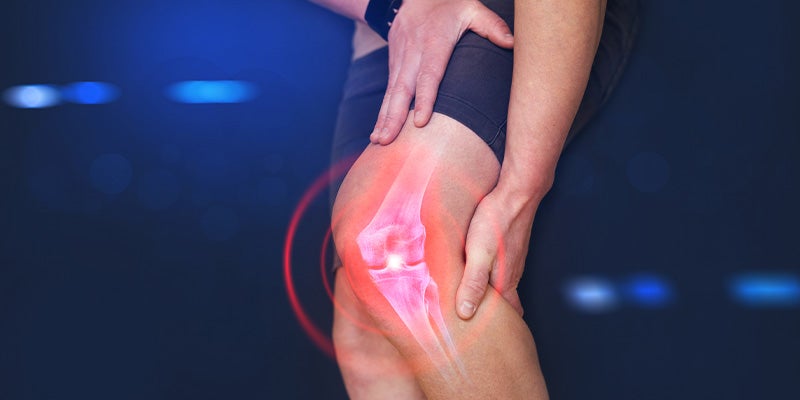
Knee pain image showing pain.

Table of Contents


If your knee has reached the point where it feels like bone grinding against bone, you already know how exhausting that pain can be. Every step, every stair, every attempt to just get comfortable on the couch becomes a negotiation with your own joint. It makes sense that you are looking into every option before considering surgery.

That is where PRP and Exosome Joint Therapy often comes up. These regenerative treatments have gained attention for their potential to relieve joint pain. Still, bone-on-bone arthritis is a more advanced stage of the condition, so this question deserves a real, honest answer rather than a quick yes.

What is the difference between PRP and exosome therapy for bone-on-bone knee arthritis?

PRP uses your own concentrated blood platelets to support tissue repair, while exosome therapy uses cell-signaling vesicles from stem cells to support cellular communication. Both aim to ease inflammation and support joint function rather than rebuild lost cartilage.

Can These Therapies Help a Bone-on-Bone Knee?

Yes, PRP and exosome therapy can offer real benefits even at the bone-on-bone stage, but understanding what that help actually looks like matters more than the yes-or-no itself.

How Each Therapy Works Toward Relief

Platelet-rich plasma therapy works by concentrating your own blood platelets, which contain growth factors involved in tissue repair, and injecting that concentrated plasma into the knee. Exosome therapy introduces cell-signaling vesicles derived from stem cells, which are thought to facilitate intercellular communication and promote a healthier joint environment. Both approaches fall under regenerative medicine and aim to work with your body rather than replace what it has lost.

What These Therapies Can Generally Support

At the bone-on-bone stage, here is what these therapies can generally support:

  • Reducing inflammation inside the joint, which is often a major driver of pain
  • Easing day-to-day discomfort, especially during walking, standing, or climbing stairs
  • Supporting the joint’s overall function, which can translate into better range of motion
  • Providing a non-surgical way to manage symptoms while other decisions are still being weighed

Where the Limits Come In

Now for the part that deserves equal attention. Cartilage regeneration at this stage is simply not something PRP or exosomes can fully deliver. Once cartilage has worn away to the point where bone is touching bone, there is no cushioning left to rebuild with injections alone. These treatments are not designed to reverse that structural loss. What they can do is calm the inflammatory environment inside the joint and help it function more comfortably within its current condition.

Why This Distinction Matters

This is really the heart of the matter. Think of PRP and exosome therapy less as a repair job and more as ongoing support for a joint that has already changed shape. Patients who understand this distinction going in tend to feel far more satisfied with their results because they measure success by realistic markers like less pain and better mobility, rather than expecting the joint to look or feel the way it did years ago.

What “Bone-on-Bone” Really Means

“Bone-on-bone” refers to Grade 4 osteoarthritis, the most advanced stage, where the cartilage that once cushioned your knee has worn away almost completely. Without that cushion, the bones rub directly against each other during movement. That is why this stage often feels different from earlier arthritis, bringing constant discomfort, morning stiffness, and noticeably reduced mobility rather than pain that comes and goes.

Who Is a Good Candidate for This Stage of Arthritis

Not everyone at this stage will respond the same way, and that is worth being upfront about. You may be a good candidate if you:

  • Want a non-surgical option for joint pain relief
  • Are hoping to delay or avoid knee replacement surgery for now
  • Want to manage pain alongside other treatments you are already using

If there is significant joint deformity or misalignment alongside the bone-on-bone changes, PRP and exosome therapy alone may not be enough, and a surgical consultation could be the more appropriate next step.

What to Expect From Treatment at MD Cosmetic Care in El Cajon, CA

At MD Cosmetic Care in El Cajon, CA, PRP and Exosome Joint Therapy is performed in-office with a straightforward process. A small blood sample is drawn and processed for PRP, or exosomes are prepared for injection; then the solution is injected directly into the affected knee. Most patients experience little to no downtime, though mild redness, bruising, or swelling near the injection site is normal and typically resolves quickly. Improvement is usually gradual, with many patients noticing changes within a few weeks and continued progress over the following months.

Is It Worth Trying Before Surgery?

For many people, trying a non-surgical option first genuinely makes sense, especially when the goal is to avoid or postpone knee replacement. These treatments carry fewer risks and require far less recovery time than surgery. That said, they are not a guaranteed substitute in every case, and severe structural damage may still call for a conversation about surgical options.

You Do Not Have to Just Live With It

Bone-on-bone knee arthritis can feel like a heavy thing to carry, both physically and emotionally. The good news is that PRP and exosome therapy give you a way to address pain and function without immediately jumping to surgery, even if they cannot turn back the clock on your cartilage.

Book a Consultation for Joint Pain Relief in El Cajon, CA

If bone-on-bone knee arthritis has been affecting your daily life, you deserve a real conversation about what can help. Our team at MD Cosmetic Care will assess your knee, talk through your goals, and help you understand whether PRP and exosome therapy are a good fit for you.

Ready to relieve joint pain? Schedule a consultation today to explore your personalized treatment options.

Posted in:

Related Posts

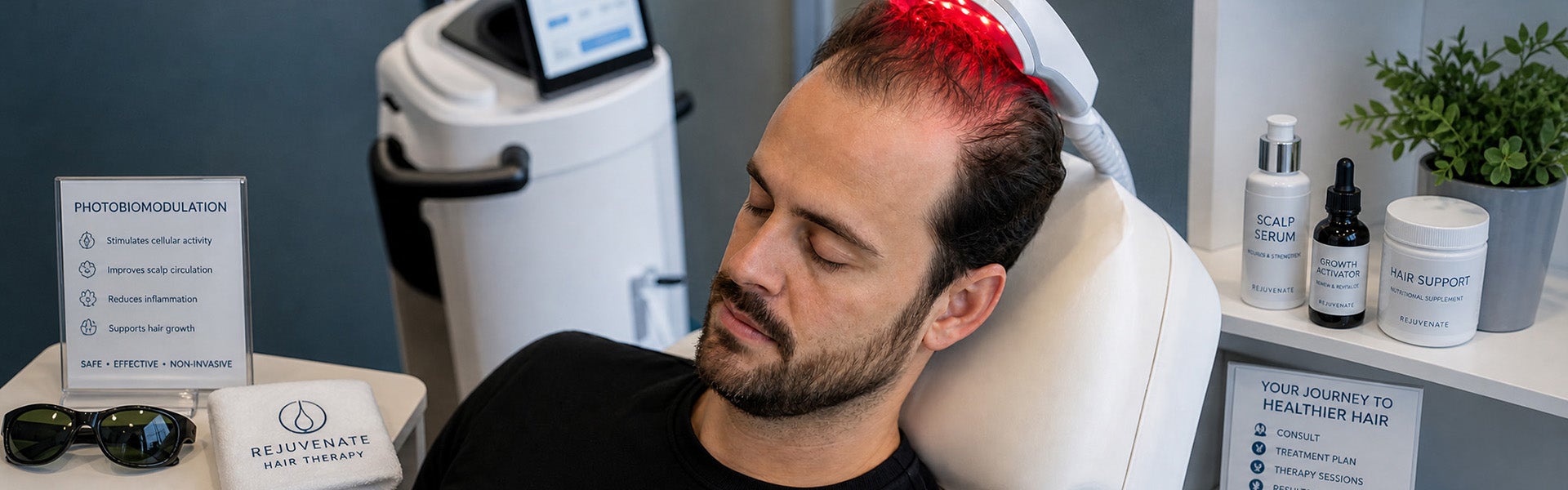
Client receiving a hair restoration treatment using red light therapy technology in a professional clinic setting.

What is Exosome Therapy for Face and Scalp? A Beginner’s Guide

Table of Contents What is Exosome Therapy for Face and Scalp? Benefits of Exosome Therapy for Face and Scalp Exosome Facial Benefits. Exosome Hair Restoration Convenient Exosome Therapy for Face and Scalp in El Cajon, CA Who Is This Best For? What to Expect Pre-Treatment Preparation Treatment Day Recovery and Downtime Results and Longevity Frequently Asked Questions How does exosome therapy compare to PRP treatments? When should I expect to see results? How long will my results last? Is the procedure safe? Who may not qualify for exosome therapy? Glow Up Your Skin & Hair Fine lines around the eyes, uneven skin tone, and hair that feels thinner with every passing year are struggles many people share. Creams and serums often promise visible changes but usually deliver temporary results at best. Shampoos and supplements can only do so much for hair, leaving many people frustrated with the lack of progress. Exosome therapy for the face and scalp provides a different approach. Instead of masking problems, it supports natural repair processes within the body. By encouraging skin cells to renew themselves and hair follicles to function more effectively, this treatment gives people a way to look refreshed and restore confidence without taking time away from their daily lives. At MD Cosmetic Carein El Cajon, patients receive exosome skin rejuvenation as part of a broader commitment to safe, minimally invasive treatments focusing on results and comfort. If you’re near El Cajon and searching for Exosome Therapy for Face and Scalp in El Cajon, CA, our medical team will help you decide if this treatment fits your aesthetic goals. What is Exosome Therapy for Face and Scalp? Exosome therapy for the scalp is a tiny messenger produced by cells that carries proteins, lipids, and genetic material. Their primary role is to help cells communicate and influence the surrounding tissues’ behavior. They stimulate natural repair and regeneration when applied to the face or scalp. Exosome treatment for wrinkles encourages collagen production, hydration, and improved skin texture. They minimize the appearance of fine lines and wrinkles while helping the skin look smoother and brighter. They activate dormant hair follicles on the scalp and promote thicker, healthier growth. Because this therapy uses a non-surgical method, patients receive the benefits of renewal without incisions, stitches, or long recovery times. It represents a modern option for those who want meaningful changes in appearance but prefer to avoid invasive procedures. Benefits of Exosome Therapy for Face and Scalp Exosome Facial Benefits. The popularity of exosome therapy comes from the visible improvements it provides. On the face, patients often notice their skin feels more hydrated, looks brighter, and develops a smoother texture. Wrinkles and fine lines gradually soften, giving the face a refreshed and younger-looking appearance. Exosome Hair Restoration On the scalp, the benefits focus on strengthening hair from the root. Patients report that their hair feels thicker, fuller, and sheds less over time. For many, the renewed growth addresses confidence issues tied to thinning or receding hairlines. Convenient Beyond cosmetic outcomes, exosome therapy appeals because of the convenience it offers. Unlike treatments that leave redness, swelling, or peeling for days, this procedure typically requires little to no downtime. Patients can return to work or social activities almost immediately. Comfort, safety, and natural-looking results make this service attractive for people seeking more than short-lived fixes. Exosome Therapy for Face and Scalp in El Cajon, CA At MD Cosmetic Care in El Cajon, patients receive advanced aesthetic treatments designed to support confidence and well-being. Our team combine professional expertise with modern approaches to deliver safe and effective results. Contact Us Now! Who Is This Best For? Exosome therapy suits many people, but it works particularly well for adults in their 30s, 40s, and 50s who notice early or moderate signs of aging. Fine lines, sagging skin, uneven tone, or dryness respond well to facial applications. For the scalp, individuals experiencing hair thinning, shedding, or patchy growth benefit from stimulating follicles. The treatment also fits the lifestyle of busy professionals, parents, or anyone who cannot spare weeks for recovery. Because it requires little downtime, patients return to regular routines almost immediately. Men and women alike choose this option when they want visible results but want to avoid the risks and time commitment of surgery. If you feel uncertain about your qualifications, a consultation helps determine if your skin or scalp would respond well. Providers assess your concerns, medical history, and goals to create a realistic and safe plan. What to Expect Understanding what happens before, during, and after treatment makes the process more approachable. Pre-Treatment Preparation Most patients do not require extensive preparation. The provider evaluates your skin or scalp during your consultation and reviews your medical history. You may be asked to pause specific skincare or hair treatments for a few days to avoid irritation. Treatment Day On the day of your appointment, the process usually lasts between 45 minutes and one hour. Exosomes are applied to the face or scalp using methods that encourage absorption. Patients describe the session as comfortable, with only mild sensations that pass quickly. Because the treatment does not involve injections or surgery, it carries minimal discomfort compared to other procedures. Recovery and Downtime One of the most substantial advantages of exosome therapy is the quick recovery. Most patients experience only mild redness that fades within hours. You can return to work, exercise, or social activities the same day. Unlike other treatments that require days of rest, exosome therapy integrates easily into everyday life. Results and Longevity The improvements build gradually. For the face, patients often notice smoother skin, improved tone, and reduced wrinkles within three to four weeks. For the scalp, changes appear more slowly, with visible new growth typically emerging between three and six months. Results last several months, depending on age, lifestyle, and overall skin or hair health. Many patients schedule maintenance sessions to extend their improvements. Your provider will recommend a plan that matches your personal goals. Frequently Asked Questions How does exosome therapy compare to PRP treatments? Both treatments aim to support regeneration, but PRP uses your own platelets, while exosome therapy applies extracellular messengers. Patients often choose exosome therapy because it may deliver faster results with less variability. When should I expect to see results? Facial changes often appear within a month, while hair restoration typically takes several months. The gradual timeline reflects the natural way the body repairs itself. How long will my results last? Many people notice results lasting for months, with ongoing improvements if they follow good skincare and haircare habits. Maintenance sessions extend the benefits further. Is the procedure safe? Yes. Exosome therapy is considered safe for most patients. Side effects are minimal, often limited to temporary redness or mild sensitivity. Who may not qualify for exosome therapy? Individuals with active infections, uncontrolled medical conditions, or certain chronic illnesses may not be candidates. Glow Up Your Skin & Hair Exosome therapy at MD Cosmetic Care in El Cajon, CA, provides a non-surgical way to support youthful skin and healthier hair. Promoting renewal at the cellular level improves texture, softens wrinkles, and stimulates follicles for thicker growth. Rejuvenate Your Skin & Hair with Exosome Therapy Today!

Medical professional administering an injectable cosmetic treatment to the neck area during a non-surgical aesthetic procedure.

What is The Difference Between Dermal Fillers and Botox?

Understanding the differences between dermal fillers and Botox can be a bit confusing, especially if you’re new to cosmetic treatments. Both options are popular for reducing the signs of aging, but they work differently and address different concerns. Let’s break down the basics in an easy-to-understand way. What are Dermal Fillers? Dermal fillers are elements injected into the skin to restore lost volume, smooth out wrinkles, and enhance facial contours. They are made from various materials, with hyaluronic acid being the most common. Hyaluronic acid is a natural substance found in the body that keeps skin hydrated and plump. Os of dermal fillers include calcium hydroxylapatite and poly-polymethyl methacrylate methyl methacrylate. Each type has its specific use, depending on the area of the face and the desired results. How Does Dermal Filler Treatment Work? During a dermal filler treatment, a professional injects the filler substance into specific areas of your face. This process adds volume to the skin, filling in lines and wrinkles and giving the face a more youthful appearance. They can also improve facial features, like the lips and cheeks. The procedure typically takes about 30 minutes, and the results can last from six months to two years, depending on the type of filler used. What is Botox? Botox, short for botulinum toxin, is a neurotoxin that temporarily treats wrinkles and fine lines caused by muscle movements, such as frown lines, crow’s feet, and forehead lines. When injected in small amounts, Botox blocks nerve signals in the muscles where it’s injected. Without these signals, the targeted muscles cannot contract, smoothing the overlying skin. How Does Botox Treatment Work? A Botox treatment involves injecting small amounts of botulinum toxin into specific facial muscles. The procedure usually takes 15-20 minutes, and the full effects can be seen within one to two weeks. The results typically last three to four months, after which the treatment can be repeated. Botox is particularly effective for facial wrinkles that appear when you make serious expressions, like smiling or frowning. Differences in How They Work The huge difference between dermal fillers and Botox is how they work to reduce wrinkles and enhance facial features. Dermal fillers add volume to the skin, which helps to smooth out wrinkles and plump up areas that have lost volume due to aging. In contrast, Botox works by relaxing the muscles that cause wrinkles. Because of this fundamental difference, dermal fillers are better suited for static wrinkles—those that are present even when your face is at rest—while Botox is best for dynamic wrinkles. Differences in Usage Dermal Botox is used to treat different types of wrinkles and facial concerns. Dermal fillers are often used to: Add volume to the cheeks and temples Plump thin lips Smooth out deep creases, such as nasolabial folds (the lines running from the nose to the corners of the mouth) Improve the appearance of recessed scars Enhance facial contours On the other hand, Botox is commonly used to: Reduce frown lines between the eyebrows Smooth crow’s feet around the eyes Minimize forehead lines Lift the corners of the mouth Improveneckbandsrance of neckbands Differences in Duration and Maintenance Another key difference between dermal fillers and Botox is how long their effects last and the maintenance involved. Dermal fillers can last from six months to two years, depending on the type of filler and the area treated. Some fillers stimulate your body’s natural collagen production, leading to longer-lasting results. Botox, however, generally lasts about three to four months. Regular treatments are required to maintain the effect of dermal fillers and Botox. What to Expect During Treatment – Diving Deeper When considering dermal fillers or Boknowing, knowing what to expect during the treatment pr is essential. Both treatments are minimally invasive and typically performed in a medical office or cutting. Here’s a closer look at each procedure: For Dermal Fillers The treatment begins with dermal fillers. During the consultation, the provider assesses your facial structure and discusses your aesthetic goals. They may use a topical anesthetic to numb the area and minimize discomfort. For Botox With Botox, the with Botox process is similar. During the consultation, your provider will identify the areas that need treatment and discuss your expectations. A series of injections are administered to the specific muscles, causing wrinkles. The entire Botox procedure typically takes about 15-20 minutes. Like dermal fillers, you can resume most normal activities immediately, although avoiding strenuous exercise for the first 24 hours is advised. Combining Treatments In some cases, combining dermal fillers and Botox can provide comprehensive facial rejuvenation. This approach, called a “liquid facelift,” addresses multiple signs of aging by smoothing out dynamic wrinkles with Botox and adding volume with dermal fillers. A personalized treatment plan from a qualified provider can help you achieve a balanced and natural-looking result. Understanding the options and processes for both treatments can help you determine the best approach to meeting your aesthetic goals. Whether you choose dermal fillers or a botocombination of both, these treatments offer effective ways to enhance your appearance and boost your confidence. Safety and Side Effects Both dermal fillers and Botox are ideally safe when administered by a qualified professional. However, they do come with potential side effects. For dermal fillers, side effects can include redness, swelling, bruising, and lumps under the skin. In rare cases, fillers can cause more serious complications, such as infection or allergic reactions. Botox side effects are generally mild and may include temporary bruising, headache, and slight pain at the injection site. Rarely, Botox can cause drooping of the eyelids or eyebrows if the injections are not placed correctly. Choosing the Right Treatment for You Deciding between dermal fillers and Botox depends on your concerns and desired outcome. If you want to add volume and smooth out deeper wrinkles, dermal fillers might be the better option. If you’re more concerned with reducing the appearance of lines caused by facial expressions, Botox could be the solution for you. Consulting with a qualified provider can help you understand the best treatment plan for your needs. Final Thoughts In summary, dermal fillers and Botox offer different benefits and are used for various cosmetic purposes. Understanding these differences can help you make an informed decision about which treatment is right for you. Whether you’re interested in adding volume to your face or smoothing out wrinkles caused by muscle movements, there’s a treatment that can help you achieve your aesthetic goals. Book an appointment with us here at MD Cosmetic Care to discuss your options and find the best solution for your needs.